|
|
|
|
| |
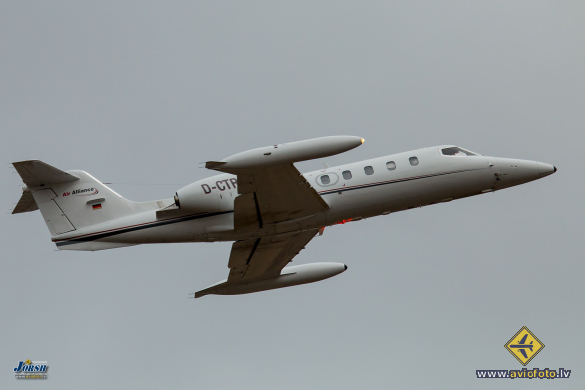
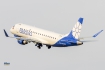
| Gates Learjet 35A |
| 13707. bilde no 39423 bildēm |
|
|
Lielāka izmēra attēls ir pieejams tikai reģistrētiem lietotājiem.
|
|
|
| |
Autors:  Jorsh Jorsh
Autora komentārs:
|
| |
Jauna lidojošā ātrā palīdzība lapā... :) |
|
|
|
|
|
RIX
Riga — Current position
|
|
| |
|
| mm: |
250 mm |
| slēdzis: |
1/400 s |
| diafragma: |
f/5.0 |
| iso: |
200 |
|
|
| |
| Citi šī autora attēli: |
|
|
| |
| Citi šīs lidostas attēli: |
|
|
| |
| Citi šīs lidmašīnas attēli: |
|
| Šai lidmašīnai citu attēlu nav.
|
|
| |
|
|
|
|
|
[Ieteikt dzēšanai] |
| |
| Komentārs: |
|
|
| |
|
|
airfield
2014-01-10 15:56:07
|
|
|
| Izskatās pēc Lockheed F-104 "Starfighter"...:) |
|
|
|
|
| |
|
|
Orix
2014-01-10 15:59:03
|
|
|
| Nē.. tas ir Obi Van Kanobi no Star Wars :D |
|
|
|
|
| |
|
|
Rimuzis
2014-01-10 18:29:26
|
|
|
Jāpaspamo,citādi jūsu neproduktīvie strīdi jau noriebušies,atbilde,kāpēc līdzīgs "fighteram"-For decades the popular misconception was that the Learjet started life as an abortive 1950s Swiss ground-attack fighter aircraft, the FFA P-16. But in his 2005 book "Lear Gene", William Lear's son John stated:"That's patently false," he said. "For instance, the P-16 had Krueger leading-edge flaps for added lift; the Learjet doesn't. The P-16 wing aspect ratio was around 4.15; the Learjet's aspect ratio was 5.4; the P-16 wing sweep was zero; the Learjet's was 13 degrees. The P-16 used double-slotted Fowler flaps that extended under the fuselage; it also had ailerons that could be drooped 18 degrees. The Learjet uses single-slotted flaps, confined to the wing area only, and it doesn't have leading-edge high-lift devices or drooped ailerons."The basic structure of the Swiss P-16 aircraft was seen by Bill Lear and his team as a good starting point to the development of a business jet, and formed the Swiss American Aircraft Corporation, located in Altenrhein, Switzerland and staffed with design engineers from Switzerland, Germany and Britain. The aircraft was originally intended to be called the SAAC-23. or at one time the 'Tina Jet'. The wing with its distinctive tip fuel tanks and landing gear of the first Learjets were little changed from those used by the fighter prototypes. The tooling for building the aircraft was purchased and eventually moved to Wichita, Kansas, in 1962. LearJet was in a temporary office which opened in September 1962 while the plant at Wichita's airport was under construction. On February 7, 1963 assembly of the first Learjet began. The next year, the company was renamed the Lear Jet Corporation.
|
|
|
|
|
| |
|
|
Orix
2014-01-10 19:33:30
|
|
|
| Kurš strīdās?:) |
|
|
|
|
| |
|
|
airfield
2014-01-10 23:43:18*
|
|
|
"Strīds" izrādījās produktīvs - saņemam "spamu" no kura es, piemēram,
uzzināju kaut ko jaunu. Paldies!
Bet, vispār, te neviens nestrīdas...:)
P.S. Un, tomēr, biju ne tik tālu no taisnības... "...The basic structure of the Swiss P-16 aircraft was seen by Bill Lear and his team as a good starting point to the development of a business jet..."
|
|
|
|
|
| |
|
Attēlus komentēt var tikai reģistrēti lietotāji.
|
| |
|
|
|
|
|
|